Is Borrowing Against a Rolex a Bad Idea?
Borrowing against a Rolex is not automatically a bad idea. It can be a practical way to cover a short-term cash need without selling a watch you want to keep. But a loan secured by a Rolex is still debt: interest, fees, and a missed repayment deadline can turn a valuable asset into an expensive problem—or cost you the watch altogether.
The decision depends on more than the model’s retail price or what you paid years ago. Lenders usually care about what they could realistically recover if they had to sell your watch, while the resale market can move between the day you borrow and the day you repay. That matters in 2026, as Rolex resale values show signs of recovery after the steep post-2022 correction, but the rebound is uneven across references.
Here is how to weigh the watch equity loan pros and cons, understand the risk of not repaying, and decide whether a short-term liquidity watch loan fits your situation.

What Does It Mean to Borrow Against a Rolex?
A Rolex-backed loan uses your watch as collateral. A specialist lender or pawn business evaluates the watch, makes a loan offer, and holds the watch while the loan is outstanding. Some arrangements are structured differently, so read the agreement carefully: who possesses the watch, what charges apply, how long you have to repay, and what happens if you miss the deadline are essential details.
The loan amount is generally based on a lender’s estimate of the watch’s quick-sale or liquidation value, not its original retail price or the highest asking price you see online. The lender may discount for selling costs, market uncertainty, condition, and the time it could take to find a buyer. A desirable steel sports model with strong documentation may receive different treatment from a less liquid reference, a heavily polished example, or a watch with missing parts.
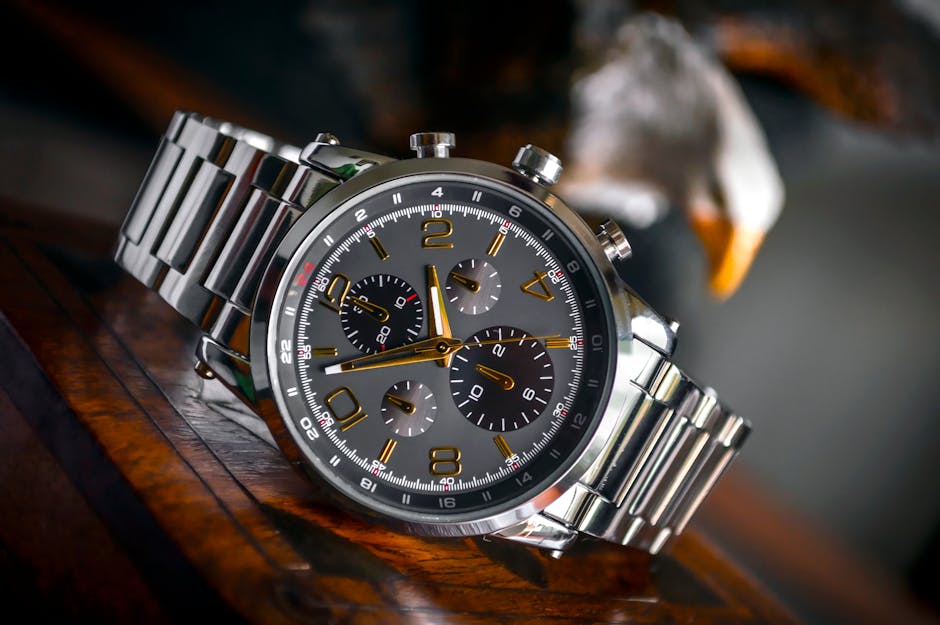
In an intake appointment, the discussion is usually practical: reference and serial details, condition, service history, bracelet links, box and papers, and whether the watch appears authentic and complete. The lender is not necessarily offering a full retail appraisal. It is deciding what it can lend against the asset while protecting itself if you do not repay.
Rolex Resale Recovery in 2026: What the Numbers Can—and Cannot—Tell You
Rolex resale values surged during the pandemic-era luxury boom, then retreated from their peaks after 2022 as demand cooled and inventory and borrowing costs changed. The decline was not identical across all models. Some popular references fell more sharply from elevated highs, while other models were less volatile. The rebound has also been selective: a recovery in a market-wide indicator does not mean every Rolex is rising at the same rate.
For example, Rolex secondary-market prices rose 1.7% in Q1 2026 versus the previous quarter. That is a useful snapshot of direction, not a promise that an individual watch gained 1.7% in value—or that it will hold that gain. Results depend on the index or dataset, the references included, and whether the figure reflects listings, completed transactions, or a modeled estimate.
It helps to think of the recent cycle in three broad stages:
- Run-up: Pandemic-era demand pushed many sought-after Rolex models well above their earlier resale levels.
- Correction after 2022: Prices came down from peak levels as the market cooled. Buyers became more selective, and asking prices did not always translate into completed sales.
- Uneven rebound into 2026: Some references have shown renewed strength, but price performance remains model-specific and sensitive to condition, supply, and buyer demand.
WatchCharts, a watch-pricing platform, can help readers follow estimated pricing trends by brand and reference. EveryWatch, a watch-auction platform, offers visibility into auction activity and historical results. These tools are useful for research, but their numbers should not be treated as a guaranteed offer from a lender or https://www.latimes.com/b2b/business-partnerships/story/2026-10-01/sell-rolex-los-angeles as a guaranteed sale price for your own watch.
When reviewing data, compare like with like. A watch’s reference, production period, dial, bracelet, condition, service history, and completeness can all affect its value. Also distinguish between an asking price and a completed sale. A high listing can sit unsold; a recorded sale may include auction fees or reflect a particular market and date. For broader context, reputable financial and news coverage, including the Los Angeles Times, can help explain wider economic and luxury-market conditions. Morgan Stanley research may provide market context as well, but neither general market reporting nor an index can replace a watch-specific assessment.
Watch Equity Loan Pros and Cons
Potential advantages Potential disadvantages You may access cash without selling a watch you intend to keep. Interest, origination charges, storage, insurance, or other fees can make repayment costly. The process may be quicker than arranging some forms of conventional credit. The lender may offer less than the watch’s likely private-sale or retail price. A short term can be useful if you have a specific, near-term repayment source. If you cannot repay on time, you may lose the watch under the loan agreement. You may avoid selling during a temporary dip if holding the watch is important to you. Resale prices can fall while the watch is pledged, and an extension may add cost without solving the debt.The central trade-off is straightforward: you keep the possibility of getting the Rolex back, but you accept a repayment obligation and put the watch at risk. Compare the total amount due—not just the advertised interest rate—with the amount you would receive from selling the watch outright.
The Risk of Not Repaying
The risk of not repaying is the most important part of this decision. Depending on the agreement and applicable law, default may allow the lender to take steps to sell or otherwise dispose of the collateral. You could lose a watch that has personal significance, future resale potential, or both. Do not assume that an extension will be available, that paying only some charges will protect your ownership, or that a lender will contact you repeatedly before acting.
Before signing, get clear answers to these questions in writing:
- What is the repayment deadline, and how is it calculated?
- What is the full amount due if you repay on the scheduled date?
- Are there origination, storage, insurance, late, renewal, or administrative fees?
- Can the loan be extended, and what does an extension cost?
- What happens after a missed payment or an expired term?
- How and when can the lender sell the watch, and will you receive any surplus if the sale exceeds the debt and allowable costs?
- How is the watch protected and insured while in the lender’s possession?
Ask for a copy of the complete agreement and read it before handing over the watch. Confirm that the reference, serial information, accessories, and condition are documented accurately. Photograph the watch and its components. If any term is unclear, get an explanation in writing or consult a qualified local professional before signing. Rules can vary by jurisdiction and by the type of lender, so do not rely on a verbal summary as a substitute for the contract.
When a Short-Term Liquidity Watch Loan May Make Sense
A short-term liquidity watch loan is most defensible when the cash need is temporary, the repayment source is specific and reliable, and losing the watch would not create an unacceptable consequence. For example, someone waiting on a confirmed payment may prefer a carefully priced loan over a rushed sale—provided the repayment date and total cost are realistic.
It is less attractive when the loan is being used to cover an ongoing budget shortfall, make speculative investments, or meet expenses without a credible plan to repay. If you need to renew the loan repeatedly, the watch may be supporting a debt cycle rather than solving a one-time cash-flow gap. A loan that looks manageable at first can become expensive after renewals, fees, or delays.
Consider alternatives before pledging a watch:
- Sell the Rolex if you no longer wear it or would rather avoid debt. Compare several credible offers and account for the time and costs of selling.
- Ask your bank or credit union about a personal credit option and compare its total cost and consequences.
- Negotiate a payment plan with the person or business you owe, if appropriate.
- Review lower-cost ways to cover the expense, especially if it is not urgent.
Each alternative has its own costs and risks. The point is not that a watch loan is always worse, but that a collateral loan should be compared with realistic choices—not with an assumption that the Rolex will keep appreciating.
Certified Pre-Owned and Credibility in Resale
Credibility matters when a lender or buyer evaluates a Rolex. Rolex Certified Pre-Owned (CPO) is a branded program for eligible pre-owned watches sold through participating authorized retailers, subject to the program’s terms. It can offer buyers a defined, brand-backed purchase experience. It does not mean every Rolex in the secondary market is CPO, nor does a CPO retail price automatically determine what a lender will advance against a privately owned watch.
Outside a CPO transaction, documentation and condition still matter. Original papers, service records, matching components, and a clear ownership history may help establish confidence, but they do not substitute for expert inspection. A watch can be genuine yet have replacement parts, refinishing, or a repair history that affects desirability. Conversely, missing paperwork does not by itself prove a watch is counterfeit; it may simply make evaluation and resale more involved.
Ask how the lender checks authenticity and condition, whether it uses a qualified watchmaker or specialist, and how it records the watch while in custody. If you are comparing offers, make sure each evaluator is assessing the same watch and accessories. A credible process should include a written description and a clear explanation of how the offer was reached, rather than relying on a vague promise that the brand is “always valuable.”
How to Evaluate an Offer Before You Borrow
Use a simple comparison process instead of focusing on the biggest loan amount offered:
- Identify the watch precisely. Record the reference, approximate age, condition, accessories, and service history.
- Check market context. Use tools such as WatchCharts and EveryWatch to understand recent trends and comparable activity, while remembering that estimates and auction results are not guaranteed private-sale prices.
- Get more than one offer. Different lenders may use different assumptions about resale value, condition, and risk.
- Calculate the repayment total. Include every fee and the cost of any extension you might realistically need.
- Stress-test your plan. Ask what happens if your expected income arrives late or the loan cannot be renewed.
- Compare with selling. Estimate a realistic net sale amount after any selling costs, then decide whether keeping the watch is worth the loan expense and risk.
For instance, suppose you need cash for a defined period and receive a loan offer that seems manageable. Do not decide based only on the loan-to-value figure. Compare the cash in hand with the total repayment due, identify the exact source of repayment, and ask whether you could meet the deadline if that source were delayed. If repayment depends on borrowing again, an uncertain sale, or a hoped-for market increase, the plan is fragile.
So, Is Borrowing Against a Rolex a Bad Idea?
It can be a reasonable tool for a short, clearly bounded cash need when the agreement is transparent, the total cost is acceptable, and repayment is highly likely. It is a poor fit when the budget is already strained, the contract is unclear, or you cannot accept the possibility of losing the watch.
The 2026 Rolex resale recovery may be encouraging for owners, but it does not remove the basic risks of borrowing. Market averages—including the reported 1.7% quarterly rise in Q1 2026—describe broad movement, not a guaranteed future price for your specific reference. Treat the Rolex as collateral, not as a promise of future profits.
Before you sign, compare the loan with a sale and other financing, verify the lender’s process, and read every term that governs repayment and default. If you cannot explain exactly how and when you will repay, the safer answer is usually not to pledge a watch you cannot afford to lose.