Is Discretion a Real Thing When Selling a Rolex in Beverly Hills?
Yes, discretion can be real when you sell a Rolex in Beverly Hills. But it is not a magic word, and a tasteful office does not prove that a transaction is confidential. Privacy depends on what information a buyer collects, who can access it, how the watch changes hands, and what the seller agrees to in writing.
If you are considering a sale, start with practical questions, not a promised price. Ask who will inspect your watch, whether the meeting can happen in a private second-floor office, how the buyer handles your personal information, and whether the transaction requires a public listing. Before discussing numbers, I also want to see the box and papers. They do not tell the whole story, but they can help establish provenance and completeness.
In Beverly Hills, a discreet sale can mean a quiet appointment, a limited exchange of personal details, and no public advertisement of the watch. It should not mean skipping authentication, accepting a vague offer, or assuming that “confidential appraisal” guarantees a confidential transaction. Here is how to evaluate the choices and protect both your privacy and your leverage.
What Discretion Should Mean in Practice
Discretion is a set of specific practices. A buyer should be able to explain how an appointment works, what identification or records they need, how they store your information, and whether they share details with outside parties. The buyer should also clarify what happens if you decline the offer. A professional should return your watch promptly and leave you free to walk away.
Before booking, ask whether the appraisal takes place by appointment and whether you can meet in a private room rather than a retail floor. A private second-floor office can limit visibility and interruptions, though the address alone says nothing about the buyer’s standards. Confirm the appointment location, who will be present, and whether the buyer will keep your watch overnight for inspection.
- Ask what personal information the buyer requires and why.
- Find out whether the buyer photographs or records the watch, and how they store those images.
- Confirm whether the buyer lists watches publicly or contacts a network of potential purchasers.
- Request a written record of the watch’s condition, custody, and any proposed offer.
- Do not hand over the watch without clear terms for its return if you reject the offer.
Confidentiality also has limits. A legitimate buyer may need identification or transaction records to comply with applicable laws and business policies. Ask how the buyer handles those records instead of expecting a serious business to promise absolute anonymity. A careful answer builds more trust than a sweeping guarantee.
Three Ways to Sell or Access Value
The right route depends on your priorities. Do you need a firm sale and payment soon? Would you rather keep ownership and borrow against the watch? Or can you wait while someone markets it in pursuit of a higher potential return? Each option has a different balance of speed, certainty, control, and proceeds.
Option Best suited to Main trade-off Sell outright Someone who values speed and a defined transaction The offer may be lower than a strong eventual resale price Borrow against the watch An owner who needs liquidity but wants to retain ownership Interest, fees, repayment deadlines, and possible loss of the watch Consign A seller who can wait for a buyer and wants higher potential proceeds Time, commissions, and uncertainty about when or whether it will sellSell Outright for Speed and Certainty
An outright sale transfers ownership to the buyer for an agreed amount. Once the buyer completes authentication and both sides accept the terms, you receive payment without waiting for a future customer to appear. For someone who wants a defined outcome, this route often offers the clearest timetable.
That convenience has a price. A dealer needs room to authenticate, hold, insure, and resell the watch, and the dealer takes on the risk that the market may shift. A direct offer may therefore fall below the price the watch might bring after a successful retail sale. “Fast cash” often means a discounted offer, not a secret shortcut to the highest price.
Ask for the offer in writing and check whether it depends on an inspection, a bracelet adjustment, or a review of the paperwork. Clarify the payment method and timing. If a buyer uses a pressure tactic such as “this number expires in five minutes,” step back. A serious buyer can explain the offer without rushing you.
Borrow Against the Watch and Keep Ownership
A loan secured by a Rolex may provide liquidity without requiring you to sell. You retain an ownership interest, subject to the loan agreement, while the lender holds the watch or otherwise secures its interest. This option can suit an owner who expects to repay the loan and wants to keep the watch long term.
Read the agreement closely. Compare the interest rate, origination or storage fees, repayment schedule, extension terms, and consequences of default. Ask whether the lender insures the watch while it holds it, where the lender stores it, sell rolex vs pawn shop and what process applies if you repay early. A loan can cost more than expected if you overlook fees or miss a deadline.
Do not treat the loan amount as a sale valuation. A lender may advance less than the watch’s estimated market value to protect against resale costs and risk. If you care about keeping the watch, ask for the full terms before you leave it in anyone’s custody.
Consignment for Higher Potential Proceeds
With consignment, you retain ownership while a dealer or specialist markets the watch to prospective buyers. If it sells, the consignee deducts an agreed commission and any disclosed costs, then pays you the balance. This route may produce higher proceeds than a direct dealer offer, but it does not guarantee them.
Consignment takes time. A suitable buyer may take weeks or longer to find, and the final result depends on demand, asking price, condition, completeness, rolex secondary market and the dealer’s reach. Ask how long the agreement lasts, whether the dealer can reduce the price without your approval, who pays for insurance and shipping, and how quickly the dealer must pay after a sale.
Review the agreement for exclusivity and withdrawal terms. Confirm where the watch will be stored and whether the dealer will display it in a showroom, publish photographs, or share it privately with clients. Consignment can protect your ownership during the marketing period, but it is not instant liquidity.
What Drives Rolex Value?
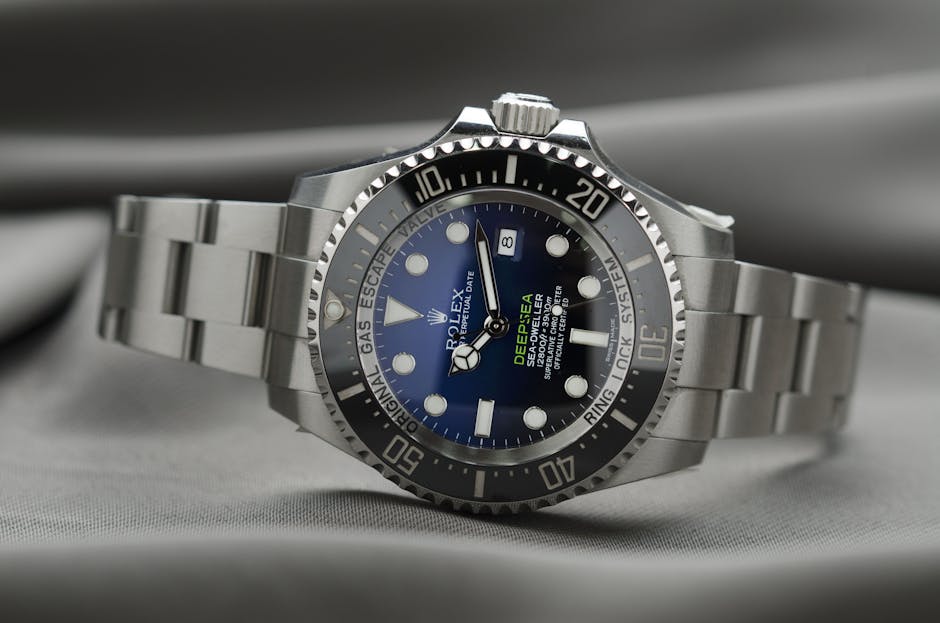
A responsible appraisal looks at the specific watch in front of the appraiser. “A Submariner is a Submariner” does not get anyone to a defensible number. Reference, condition, originality, completeness, and current demand all matter, and small differences can change the buyer pool.
Reference and Configuration
The reference identifies a particular model and production configuration. The year or serial range, case material, dial, bezel, bracelet, and movement can all affect interest. Two watches from the same broad family may attract different buyers because of their generation, details, or rarity. Ask the appraiser to identify the reference and explain which features influence the estimate.
Condition and Service History
Condition grading should describe the actual watch, not rely on a label such as “excellent.” Inspectors may consider case shape, polishing, scratches, bracelet stretch, dial and hand condition, bezel wear, and the watch’s operation. Service records can help document care, while recent service may matter to a buyer who values near-term reliability.
Polishing deserves a careful discussion. A clean appearance can appeal to some buyers, but heavy polishing may soften case edges and alter the original profile. Do not authorize refinishing simply because someone says it will automatically raise the offer. Ask what work the buyer proposes and how the work affects value for this reference.
Originality and Completeness
Originality matters because collectors often want components that match the watch’s production period and configuration. A replacement dial, hands, bezel, or bracelet may affect value, even when the part is genuine Rolex. A buyer should identify any non-original or later components and explain the impact rather than treating all parts as interchangeable.
Bring the box, papers, warranty card, service documents, spare links, and accessories you have. Papers can support a watch’s history, while a box and accessories can make a complete set more attractive to some buyers. Their presence does not erase condition issues, and their absence does not make a watch unsellable. Still, I like to see the box and papers before talking numbers because completeness can change the conversation.
How a Confidential Appraisal Should Work
A confidential appraisal should give you an informed assessment without obligating you to sell. The appraiser should inspect the watch, explain the method, and distinguish an estimate from a purchase offer. If the appraiser cannot explain the basis for a number, treat that number as a starting point for questions, not as a reliable valuation.
Look for a process that includes authentication, condition grading, and pricing from live secondary-market data. Authentication checks whether the watch and its components appear genuine and consistent. Condition grading documents wear and any alterations. Pricing from live secondary-market data helps compare recent market activity, though no data source can promise the exact price or timing of your sale.
Ask the appraiser to show how they account for the reference, condition, originality, completeness, and likely selling costs. A dealer’s purchase offer, a consignment estimate, and an auction result are not the same thing. Each reflects different costs, risks, and timing. Compare like with like before choosing a route.
A Discreet Selling Checklist
- Gather the watch and its accessories. Find the box, papers, service records, spare links, and any purchase documentation you have.
- Choose an appropriate appointment. Ask whether the buyer offers a private second-floor office or another private meeting space, and confirm the visit in advance.
- Request a clear appraisal. Ask for authentication, condition grading, and an explanation of pricing from live secondary-market data.
- Compare the right figures. Separate an immediate purchase offer from a projected consignment price or a loan amount.
- Read the terms. Check fees, commissions, custody, insurance, payment timing, and return procedures before you hand over the watch.
- Take time to decide. You can leave with the watch and consider the offer. A confidential appraisal should not require an immediate commitment.
So, Is Discretion Real?
It can be. Beverly Hills has buyers who handle appointments privately and conduct careful, one-to-one transactions. But discretion comes from clear procedures, limited and sensible information sharing, secure watch handling, and written terms. It does not come from a neighborhood name, a polished lobby, or a promise to “keep everything quiet.”

Choose the route that fits your needs. Sell outright if speed and certainty matter most. Consider borrowing if you need funds but want to keep ownership and can meet the repayment terms. Choose consignment if you can wait and accept that higher potential proceeds come with uncertainty and fees.
Whichever path you take, start with the watch’s details and a transparent assessment. Ask about authentication, condition grading, and the market evidence behind the number. Bring the box and papers. Protect your privacy, but do not let the promise of privacy replace due diligence. A genuinely discreet Rolex transaction should leave you informed, unpressured, and in control of what happens next.