Sell Rolex vs. Consignment in Los Angeles: Which Pays More?
If you’re deciding whether to sell a Rolex outright or consign it in Los Angeles, the short answer is: an outright sale usually pays sooner, while consignment may bring a higher price if you can wait for the right buyer. The best option depends on the watch, the market, the fees, and how much time and uncertainty you’re willing to take on.
That trade-off matters in 2026. Rolex resale prices have been recovering after the sharp correction that followed the pandemic-era boom, but recovery is not the same as a guaranteed rise for every reference. A steel sports model in excellent condition may attract several interested buyers; a less in-demand configuration may take longer to sell, even in a strong market.
In this guide, we’ll compare an immediate purchase offer with consignment, explain how to evaluate the net proceeds, and look at the market data and credibility signals worth checking before you choose. Whether you’re searching for rolex consignment los angeles or asking where to sell rolex outright, focus on the amount you actually receive—not just the advertised price.
The Difference Between an Outright Sale and Consignment
Selling outright: a faster, more certain payout
With an outright sale, a dealer or buyer purchases your Rolex directly. After inspecting and authenticating the watch, the buyer makes an offer. If you accept, you’re paid according to the agreed terms and the buyer takes ownership. Depending on the business and the transaction, payment may be made by wire, check, or another documented method.
The offer is generally below the price the dealer expects to get when reselling the watch. That difference helps cover operating costs, authentication, servicing or preparation, the time the watch may remain in inventory, and the risk that market prices or buyer demand change. The offer may feel lower than a retail listing, but it provides a clear exit price and avoids waiting for a future sale.
Consignment: a potential premium in exchange for time
Under consignment, you leave the watch with a seller or specialist who markets it on your behalf. The seller agrees to remit the proceeds after a buyer completes the purchase, minus the agreed commission and any disclosed costs. You may have more influence over the asking price, but the final sale price still depends on demand and negotiation.
Consignment can be attractive if your watch is desirable, well documented, and not something you need to sell immediately. It can also involve a longer wait, price adjustments, and a period when you don’t have the watch or the sale proceeds. Ask exactly what happens if the piece doesn’t sell, how long the agreement lasts, and whether you owe any charges for photography, insurance, shipping, or withdrawal.
Which Option Pays More?
Consignment can produce the higher gross sale price, but that does not automatically mean it produces the higher net payout. Compare what lands in your account under each option, on a realistic timeline.
Factor Outright sale Consignment Payment timing Typically faster after inspection and acceptance Usually after the watch sells and payment clears Price potential Often lower than a final retail sale price May be higher before fees, if a buyer pays the target price Market risk Mostly taken on by the buyer after purchase Often remains with you until the watch sells Work involved Compare offers, complete inspection and payment Review the agreement, monitor the listing, and wait for settlement Best suited to Sellers who value certainty and speed Sellers who can wait for a potentially stronger resultFor a simplified example, imagine a dealer offers $10,000 to buy a watch today. A consignment seller estimates it could sell for $11,000, with a 15% commission. That would leave $9,350 before any other agreed costs—not more than the immediate offer. If the watch instead sells for $12,500, the proceeds after that same commission would be $10,625. These figures are illustrative, not a quote or a prediction. The important point is to calculate the net amount using the actual fee schedule and a credible expected sale price.
Also compare like with like. A dealer’s asking price is not proof that the watch sold for that amount. A listing can remain online for months, be reduced, or be withdrawn. When weighing an offer against consignment, ask for a realistic sale range and find out whether the seller is referring to a listed price, a completed transaction, or an informal estimate.
Rolex Resale Recovery in 2026: What the Rebound Means
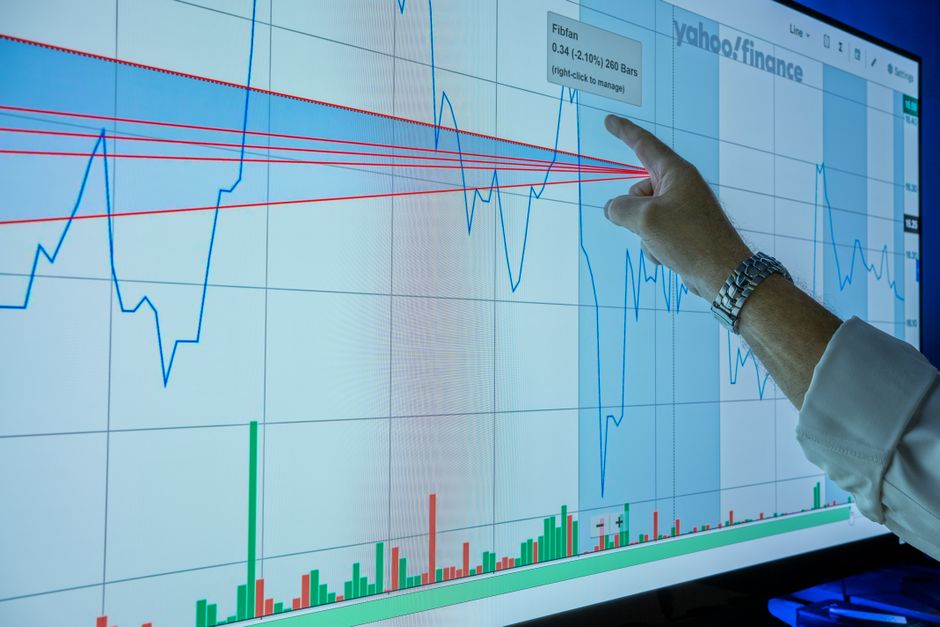
Rolex resale prices climbed unusually fast during the pandemic-era market and reached elevated levels around 2022. Strong demand, constrained availability, and speculative buying pushed certain models well above their earlier norms. That momentum did not continue. As market conditions changed, resale prices for many references fell from their peaks, and buyers became more selective.
The post-2022 slump was not a single event with the same effect on every watch. Prices and liquidity varied by reference, dial, material, condition, completeness, and seller. Some highly recognizable steel sports models held attention better than less sought-after configurations, but even familiar names could trade below their peak-market levels. For sellers, the lesson is that a Rolex logo alone does not determine a resale value.
By 2026, the picture is better described as a recovery than a return to the extraordinary highs of the boom. For example, Rolex secondary-market prices rose 1.7% in Q1 2026 versus the previous quarter. That is a useful sign of momentum, but one quarter of movement does not guarantee that prices will keep rising, nor does a broad-market figure predict the result for an individual watch.
Think of the timeline as a cycle: rapid pandemic-era gains, a correction after the 2022 peak, a period of recalibration, and a more measured rebound. If you’re deciding whether to sell now or wait for the right buyer, weigh current offers against your own deadline and the specific demand for your reference. Waiting may help in a strengthening market, but it also means accepting the possibility of a flat or lower price, additional costs, and no guaranteed sale date.
How to Track Prices and Understand the Data
Good market research uses more than one source. WatchCharts is a watch-pricing platform that provides market tracking and reference-level context. Its estimates can help you see broad trends and compare models, but an index or estimated value should not be treated as a guaranteed cash offer. The condition of your particular watch and the buyer’s costs still matter.
EveryWatch is a watch-auction platform that can help you review auction activity and results. Auction records offer useful context, especially when the reference and configuration are clearly identified. But auction results may include buyer’s premiums, depend on the auction venue and sale conditions, and may not represent the amount a private seller would receive. Confirm what a quoted result includes before using it as a comparison.
It can also be helpful to follow general business and luxury-market coverage. The Los Angeles Times may provide local context on consumer, retail, or luxury trends, while financial institutions such as Morgan Stanley publish broader research on markets and companies. Those sources can https://dibz.me/blog/how-do-i-know-if-my-rolex-has-replacement-parts-1280 inform the larger picture, but general coverage or corporate research should not be mistaken for a current, watch-specific appraisal.
A practical market-checking routine
-
Identify the exact reference and configuration. Check the reference number, case material, dial, bracelet, and approximate production period.
-
Compare similar examples. Give more weight to watches with comparable condition and completeness than to a loosely similar model.
-
Separate asking prices from completed sales. A high listing is an ambition, not evidence that a buyer paid that amount.
-
Check recency. A result from a different part of the market cycle may not describe today’s demand.
-
Get multiple purchase offers. Offers from established buyers provide a practical view of immediate liquidity.
Certified Pre-Owned and Credibility in Resale
Credibility matters because buyers are paying for confidence as well as the watch. Rolex’s Certified Pre-Owned program is one recognized route for eligible pre-owned watches sold through participating official retailers. A certified offering can include a Rolex authenticity guarantee and program-specific presentation, subject to the program’s requirements. It may appeal to buyers who value brand-backed reassurance, though it does not set a universal price for every pre-owned Rolex or guarantee that a private seller will receive a premium.
Outside that program, ask how the business authenticates watches, who performs the inspection, what documentation it provides, and how it handles any concerns after a transaction. A credible resale process should clearly explain the watch’s condition, whether parts have been replaced or serviced, and what is included in the sale. Be cautious of pressure to accept vague terms or ship an expensive watch without a documented, insured process.
Documents and details that can support your sale
-
Original warranty card or papers, if available
-
Box, booklets, links, tags, and other accessories that came with the watch
-
Service records and receipts from reputable watchmakers
-
Clear photographs showing the watch’s current condition
-
An accurate account of known repairs, replacement parts, or condition issues
Missing accessories do not automatically make a watch unsellable, and a box does not automatically create a large premium. Completeness can help with buyer confidence and presentation, but condition, authenticity, and demand remain central. Never describe a watch as fully original or recently serviced unless you have a sound basis for that claim.
Choosing the Right Route in Los Angeles
Los Angeles sellers have access to local dealers and consignment specialists, but convenience should not replace due diligence. Whether you meet in Beverly Hills, arrange an appointment in Downtown L.A., or work with a remote buyer, verify the business, get the terms in writing, and understand how the watch will be handled and insured.

For an outright sale, request a written offer that specifies the model, the amount, any conditions, and when payment is due. For consignment, review the commission, asking-price authority, minimum acceptable price, expected term, insurance responsibility, payout timing, and return procedure. Clarify whether the seller can discount the watch without your approval. If anything is unclear, ask for an explanation before handing over the watch.
Choose an outright sale if:
-
You need funds on a predictable timeline.
-
You prefer certainty over a chance at a higher net payout.
-
You have a competitive offer from a buyer with clear terms.
-
You don’t want to manage a listing or wait for a retail customer.
Consider consignment if:
-
You can comfortably wait for the watch to sell.
-
The reference has identifiable demand and your example is appealing to buyers.
-
The seller can demonstrate relevant sales experience and provides transparent terms.
-
The estimated net proceeds—not just the asking price—outweigh your best immediate offer.
Make the Comparison About Net Proceeds
There is no single answer to which route pays more. Selling outright trades some potential upside for speed and certainty. Continue reading Consignment gives a seller more time to reach a retail buyer, but the commission, sale timeline, and market risk can reduce or erase the apparent premium. The right choice depends on your specific Rolex and your priorities.
Before deciding, confirm your watch’s reference and condition, check recent market information from sources such as WatchCharts and EveryWatch, and obtain more than one direct offer. Then compare those offers with a realistic consignment estimate after all fees. In a recovering market, you may decide it’s worth waiting for the right buyer. If a firm offer already meets your needs, a timely outright sale may be the better result—even if it is not the highest price ever shown on a listing.